Watching Pollinators from a Window: A Practical Field Guide to Daily Patterns
On a late-May morning I set a mug of tea by the window and noticed a steady procession of small visitors: a fuzzy bumblebee working methodically across the lavender, a hoverfly pausing at a fennel umbel, and a comma butterfly fluttering along the patch of mint. They arrived in a rhythm I could almost predict. Watching from that quiet corner for half an hour revealed more than any brief glance could—patterns of time, plant preference, and behaviour that suggested simple changes I could make in the garden. This short field guide sketches a method for turning those casual sightings into useful, repeatable observations.
1. Set up a low-effort observation station
You do not need fancy equipment. The aim is comfortable, repeatable watching so small patterns become visible.
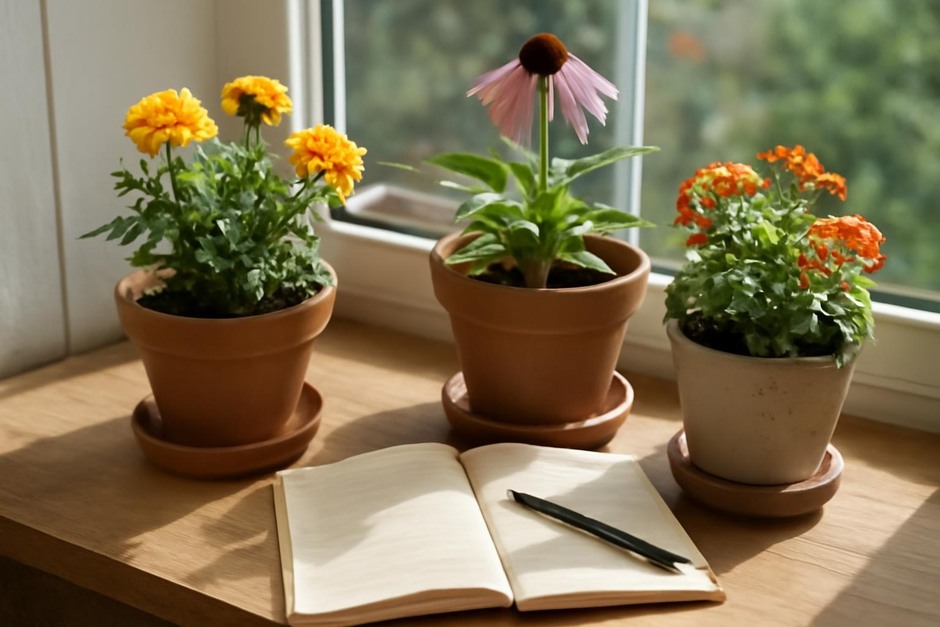
- Location: choose a window that looks onto a patch of flowers, herbs, potted plants, or a small border. Preferably one with morning and afternoon light so you can compare times.
- Materials: a simple notebook or printed checklist, a pen, a chair, and a lightweight timer (phone timer is fine). Binoculars are optional for distant views.
- Plants to include: a handful of nectar- or pollen-rich species close to the window—herbs (thyme, mint, rosemary), single-flowered ornamentals (cosmos, marigold), or a pot of lavender—make observations more rewarding.
- Comfort tips: set a small tray for tea and a cushion; repeated short sessions are better than one long one.
2. Choose a simple timing routine
Regularity reveals rhythms. Try a small, repeatable schedule you can maintain for several weeks.
- Session length: 15–30 minutes per session keeps attention fresh and fits most days.
- Daily cadence: sample at two different times (for example, 9:00–9:30 and 3:00–3:30). Many pollinators show distinct morning and afternoon activity peaks.
- Frequency: three sessions per week over a month will already show useful patterns; aim for longer if you can.
- Record weather: note temperature, cloud cover, wind, and recent rain—pollinator activity is closely tied to these variables.
3. Note behaviour and plant associations
Observe what visitors do, not just that they are present. A few focused categories make notes fast and informative.
- Visitor type: use simple labels—bumblebee, small solitary bee, honeybee, hoverfly, butterfly, beetle, moth. Exact species are useful but not essential for a home field guide.
- Action: record whether the insect is nectar foraging (probing flowers), pollen collecting (visible pollen on legs), resting, or patrolling (hovering or flying through).
- Plant interaction: note which plant is visited and how—quick visit, thorough inspection, or repeated visits to the same bloom.
- Time spent: if possible, approximate the time a visitor spends on a plant (seconds vs. minutes). This often differs between bumblebees and hoverflies, for example.
4. Interpreting patterns and guiding small changes
After a few weeks, your notes will show repeatable tendencies. Use these observations to make modest, practical adjustments.
- Daily rhythm: if most visits occur in the morning, consider scheduling watering and pruning for the afternoon so flowers are undisturbed when pollinators are active.
- Plant preference: if a particular herb or flower accounts for many visits, add similar species or increase its planting density to support more visitors.
- Flower form matters: single, open flowers tend to get more visits than double or heavily ruffled blooms. Observations can guide choices when buying plants for a pollinator patch.
- Small habitat helpers: noticing ground-nesting solitary bees near a bare sunny patch could mean leaving a small strip of undisturbed soil; seeing many hoverflies suggests adding umbellifers like fennel or coriander.
Above all, let the observations lead slowly. Small, evidence-based changes—one more plant here, less disturbance there—are more likely to be welcomed by the insects and fit easily into home life.
Measured conclusion
Watching pollinators from a window is a low-cost, low-effort way to learn about the lively world at the edge of our homes. With a modest observation station, a short routine, and a few clear note categories, a pattern-rich picture emerges: who visits, when they visit, and which plants sustain them. These simple findings suggest practical, incremental adjustments to planting and care that support local pollinators without requiring major changes. Over time, the practice also sharpens attention to small seasonal shifts—an unassuming way to deepen your connection to nature while seated with a cup of tea.